Best Cities to Live in Pakistan 2026 — Quality of Life Ranked
Best Cities to Live in Pakistan 2026 — Quality of Life Ranked
Pakistan is home to over 240 million people — and yet, most of the world still underestimates just how dramatically urban life here has transformed. In 2026, the country’s top cities are competing on infrastructure, digital connectivity, green spaces, and cost of living in ways that would surprise even seasoned global travelers. If you’ve been searching for the best cities to live in Pakistan 2026 quality of life, this guide cuts through the noise and gives you real numbers, real culture, and honest assessments.
What Makes a Pakistani City Worth Living In?
Quality of life isn’t a single metric — it’s a layered equation. For Pakistan’s urban centers in 2026, the key factors shaping livability include housing affordability, access to healthcare and education, traffic and mobility infrastructure, safety indexes, and the cultural richness that makes a city feel like home rather than just a place to survive.
The Pakistani rupee stabilized significantly in late 2025, and with inflation cooling to around 12% year-on-year by early 2026, mid-tier cities have become genuinely attractive to young professionals, overseas Pakistanis returning from the Gulf, and even a growing number of digital nomads. Average monthly living costs in a Pakistani city now range from roughly $250 to $700 USD depending on the city and lifestyle, making the country one of South Asia’s most affordable destinations for quality urban life.
Islamabad — The Capital That Keeps Climbing
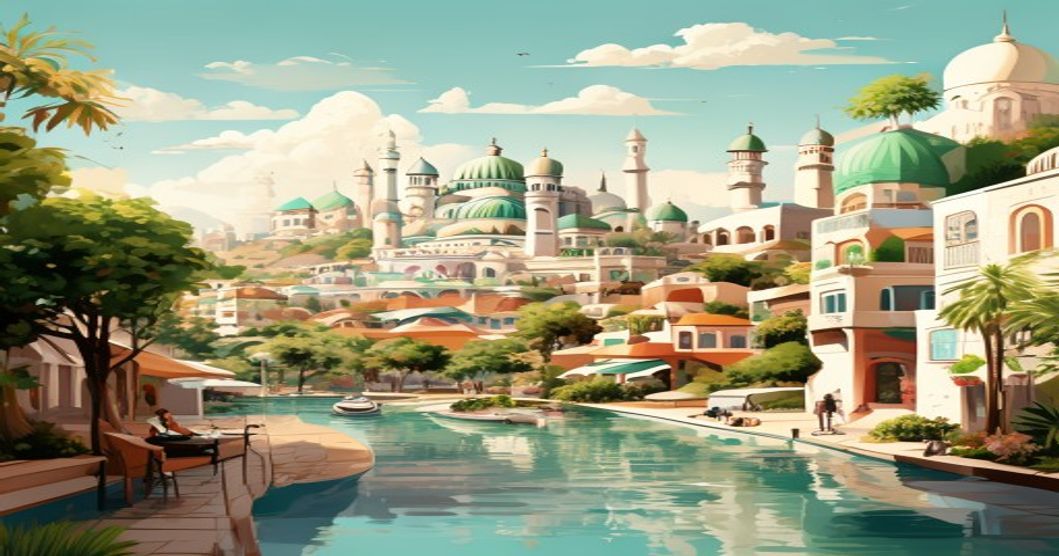
Consistently ranked as Pakistan’s most livable city, Islamabad in 2026 continues to set the benchmark. The city’s master-planned layout — a legacy of its 1960s design — means wide roads, organized sectors, and green spaces that other Pakistani cities genuinely envy. The Margalla Hills National Park sits at its northern edge, giving residents access to hiking trails within 20 minutes of most central neighborhoods.
Average monthly rent for a decent two-bedroom apartment in a mid-range sector like G-11 or F-10 sits around $180 to $280 USD. The city hosts Pakistan’s most developed diplomatic enclave, numerous international schools, and PIMS Hospital — one of the country’s best public healthcare facilities. Broadband and 5G coverage are the most reliable in the country, making it the clear top choice for remote workers and tech professionals. For anyone researching the best cities to live in Pakistan 2026 quality of life, Islamabad earns its first-place position honestly.
Lahore — Culture, Food, and Unstoppable Energy
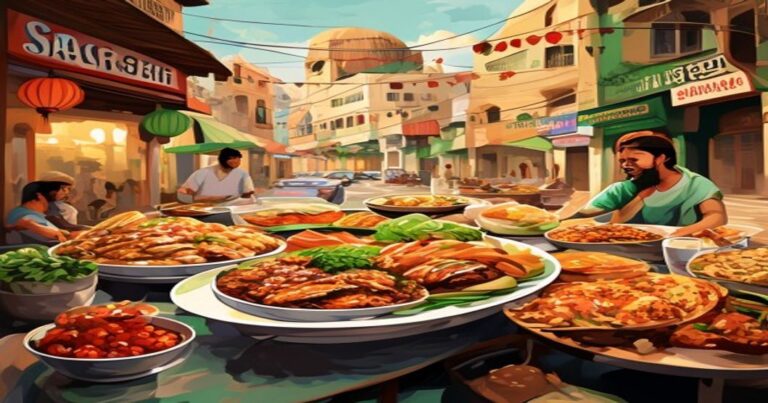
Lahore is Pakistan’s cultural heartbeat. No other city in the country blends centuries of Mughal heritage with modern commerce the way Lahore does. Walking through the walled city near Data Darbar — one of the subcontinent’s most revered Sufi shrines — and then having dinner in a rooftop restaurant in Gulberg is a uniquely Lahori experience that you simply cannot replicate anywhere else.
In 2026, Lahore’s real estate has seen sharp development in DHA Phase 9 and Bahria Town, with two-bedroom apartments available from $150 to $250 USD per month. The Lahore Metro Orange Line, now expanded with two additional stations, has meaningfully reduced commute times for hundreds of thousands of residents. Healthcare access through private hospital networks like Shaukat Khanum and Hameed Latif is world-class. The city’s air quality index remains a concern — pollution spikes in winter — but urban green initiatives launched in 2025 are already showing measurable results.
Karachi — The Megacity With Maximum Opportunity
Karachi is not for everyone — but for those who embrace it, it delivers unmatched economic opportunity. Pakistan’s financial capital and largest city houses the Pakistan Stock Exchange, the country’s main seaport, and the headquarters of virtually every major corporation operating in the country. Monthly salaries for corporate professionals in Karachi often run 30–40% higher than equivalent roles in other cities.
Neighborhoods like DHA, Clifton, and Gulshan-e-Iqbal offer genuine comfort, reliable private electricity supply through generators and solar systems, and excellent private schools. The Karachi Circular Railway revival project, expected to reach partial operation by late 2026, is a development worth watching. The city’s coastal location gives it a more moderate winter climate compared to Lahore’s fog season. For ambitious young professionals, Karachi rewards those willing to navigate its complexity.
Emerging Contenders — Faisalabad, Peshawar, and Multan
Three cities deserve attention from anyone serious about the best cities to live in Pakistan 2026 quality of life conversation. Faisalabad, Pakistan’s textile capital, has seen significant infrastructure investment and offers extremely affordable urban living — rents averaging $90 to $160 USD monthly. Peshawar has undergone a quiet transformation, with the BRT system genuinely improving mobility and tourism investment flowing into the historic Qissa Khwani Bazaar area. Multan, long overlooked, is gaining recognition for its lower pollution levels, expanding university sector, and rich Sufi cultural identity. These cities won’t suit everyone seeking metropolitan polish, but they offer authentic Pakistani urban life at accessible price points.
For a broader picture of Pakistani culture, economy, and lifestyle context, the GmoArena Pakistan Guide 2026 is an excellent resource to bookmark.
Frequently Asked Questions
Which city in Pakistan has the best quality of life in 2026?
Islamabad consistently ranks first for overall quality of life in 2026. It offers the most reliable infrastructure, cleanest environment, best 5G connectivity, and a planned urban layout that reduces the traffic and pollution stress common in other Pakistani cities. For families, expatriates, and professionals, it remains the gold standard.
How much does it cost to live comfortably in Pakistan’s major cities in 2026?
A comfortable monthly budget for a single professional in Islamabad or Lahore runs approximately $400 to $600 USD, covering rent, groceries, transport, and occasional dining out. Karachi can edge higher due to private power costs. Faisalabad and Multan are considerably more affordable, with comfortable living possible from around $250 to $350 USD monthly.
Is Pakistan safe for expatriates or returning overseas Pakistanis considering relocation in 2026?
Safety varies significantly by city and neighborhood. Islamabad and DHA sectors across multiple cities maintain strong security environments. Urban safety metrics have improved across most major cities since 2023, and the government’s Safe City projects — operational in Islamabad, Lahore, and Rawalpindi — use CCTV and emergency response networks actively. Expats and returning diaspora typically integrate comfortably in established residential communities in all five cities mentioned above.
Final Thoughts — Pakistan’s Cities Are Ready for a Second Look
Whether you’re a global observer tracking South Asian urban trends, a member of the Pakistani diaspora weighing a return, or simply curious about what modern life looks like across this diverse country — 2026 is genuinely one of the most interesting moments to pay attention. The best cities to live in Pakistan 2026 quality of life debate is no longer dominated by just one or two names. Islamabad leads, Lahore captivates, Karachi hustles, and a new generation of mid-tier cities is quietly building the infrastructure to compete.
Explore more global destination guides, cultural deep-dives, and urban lifestyle coverage on GmoArena.com — your home for international stories that actually matter.