
Pakistan’s Heat Crisis 2026: 89% of PopulationTrapped Without AC as Temperatures Soar
Pakistan’s Heat Crisis 2026: 89% of Population Trapped Without AC as Temperatures Soar
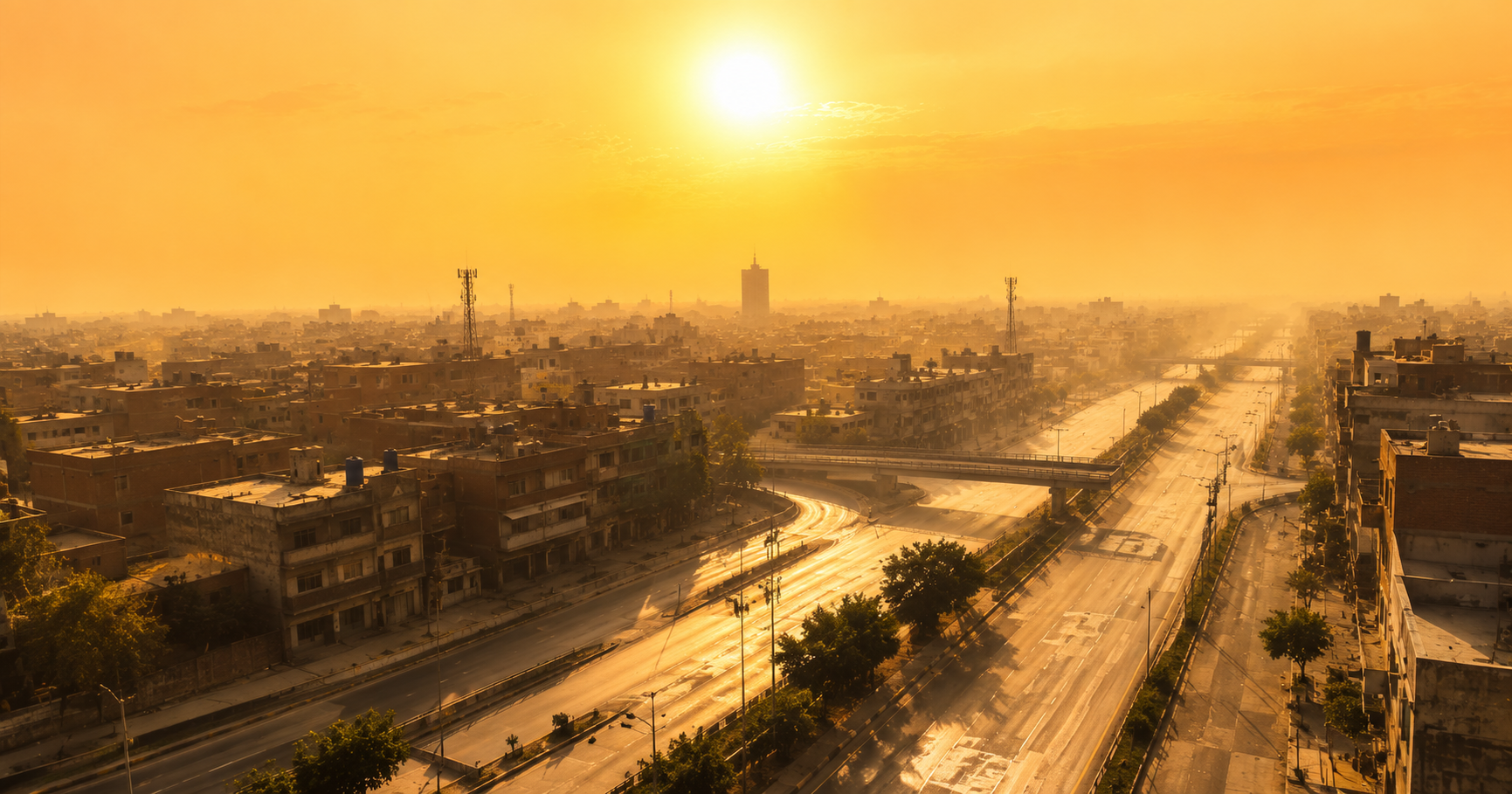
This morning in Islamabad, the Pakistan Meteorological Department recorded 40 degrees Celsius but with humidity levels at 43 percent, residents felt temperatures closer to 50 degrees Celsius. In Jacobabad, Sibi, and parts of southern Sindh, actual temperatures approached or exceeded the upper 40-degree range. And across the entire country, a new study published this week confirmed what millions of Pakistanis are living through right now: 89 percent of Pakistan’s population faces extreme heat without access to air conditioning.
The summer of 2026 has become Pakistan’s most discussed climate emergency yet. From unscheduled loadshedding in twin cities to heat advisories from the National Disaster Management Authority, from rising electricity bills to a monsoon that cannot come soon enough, the heat crisis is reshaping daily life across every province. Here is the complete picture of what is happening, why it is happening, and what is coming next.
The Numbers That Explain the Scale of the Crisis
A major study published this week and cited by Dawn today quantified what was already being felt on the ground. 89 percent of Pakistan’s population is currently trapped in a deadly combination of extreme heat and lack of access to cooling technologies, according to research covered by E&E News and Dawn on July 29, 2026. The study projected that without significant intervention, this heat exposure could contribute to approximately 150,000 excess deaths in Pakistan by 2050.
These numbers sit within a broader pattern. During the summer of 2024, temperatures in Karachi exceeded 47 degrees Celsius, and the Edhi Foundation recovered 568 bodies in just five days, according to Pakistan Today’s investigation into heat response failures. The provincial government officially acknowledged only 56 heat-related deaths during the same period a disparity that public health experts say reflects systematic undercounting of heat mortality across Pakistan.
In 2026, the geography of extreme heat has expanded. Cities once considered relatively moderate are now experiencing temperatures that would previously have been regarded as exceptional, with intense heat spreading well beyond the traditional hotspots of Sindh and southern Punjab into parts of Khyber Pakhtunkhwa and Balochistan, according to Pakistan Today’s reporting from July 13, 2026.
What Is Happening in Pakistani Cities Right Now
The heat crisis is not uniform across the country, but no major city has been left untouched.
Islamabad and Rawalpindi
The Pakistan Meteorological Department recorded 40 degrees Celsius in Islamabad, while humidity levels of 43 percent made conditions feel closer to 50 degrees Celsius, according to reporting from Dawn. Unscheduled loadshedding began and continued across multiple neighbourhoods, forcing residents to endure sleepless nights and extreme discomfort. The combination of extreme heat and power cuts both reducing electricity supply precisely when demand is highest has become the defining daily frustration for residents of the twin cities this summer.
Karachi
Pakistan’s largest city faces a compound crisis: extreme summer heat, high humidity that makes temperatures feel dramatically worse, and chronic electricity supply failures. Pakistan Meteorological Department has forecast rain and thundershowers for Karachi from July 31 to August 2, according to The News, which would provide the city’s most significant relief in weeks. Until that rain arrives, residents are managing through a combination of early-morning routines, restricted outdoor activity during peak afternoon hours, and whatever cooling resources they can access.
Jacobabad, Sibi, and Sindh’s Interior
Areas including Jacobabad, Sibi, Dadu, and parts of southern Punjab have ranked among the hottest locations in Pakistan in 2026, with temperatures repeatedly approaching or exceeding the upper 40-degree Celsius range, according to Pakistan Chronicle’s July 2026 tracking. Jacobabad in particular has gained international attention in recent years as one of the locations on Earth where wet-bulb temperatures a measure combining heat and humidity have approached the theoretical limits of human physiological tolerance for outdoor workers.
The Loadshedding Problem Making Everything Worse
The cruelest dimension of Pakistan’s heat crisis is that the hottest days also bring the worst electricity outages. Higher temperatures drive dramatically increased electricity consumption as households and businesses turn on fans and air conditioners but Pakistan’s national power grid has struggled to meet peak demand, resulting in precisely the kind of unscheduled loadshedding that leaves the most vulnerable residents without even basic fan cooling during the most dangerous hours of the day.
Pakistan imported 22 gigawatts worth of solar panels in 2024 alone an astonishing figure given the country’s total installed capacity of 46 gigawatts as households responded to chronic loadshedding by investing in their own solar solutions. That trend has accelerated in 2026. For middle-income households who made that investment, this summer is significantly more manageable. For the 89 percent who have not, the heat is unmediated. To explore more stories about Pakistan’s cities, culture, and challenges on GmoArena, browse our full Pakistan coverage.
The Monsoon When Will Relief Come?
The single most anticipated event across Pakistan right now is the arrival and advance of the monsoon. The Pakistan Meteorological Department has forecast another widespread spell of monsoon rains across the country from July 29 to August 5, warning of urban flooding in major cities and flash floods in vulnerable areas, according to The Nation and The News reporting from today, July 29.
The monsoon brings its own complications urban flooding in Karachi and Lahore has become increasingly severe as drainage infrastructure struggles to cope with concentrated rainfall but for the majority of Pakistanis who have spent weeks under extreme heat, the promise of cooler temperatures and cloud cover is genuinely welcomed. Agricultural communities that depend on monsoon rains for kharif crops are watching the forecasts with particular attention.
The NDMA’s latest advisory notes that even after monsoon rains arrive, hot and humid conditions and rising daytime temperatures will persist across much of the country. The relief is real but partial the underlying vulnerability remains.
How Ordinary Pakistanis Are Coping
Across the country, Pakistani families have developed a collective summer routine adapted to the heat crisis. Early morning hours between 4 AM and 8 AM have become the most productive time for outdoor workers, with activity gradually retreating indoors as temperatures rise through the mid-morning. Afternoon hours between 12 PM and 4 PM represent the most dangerous window, when temperatures peak and outdoor work carries genuine health risk.
Rooftop sleeping, once a standard summer practice in Pakistani cities, has returned across many neighbourhoods as indoor temperatures during loadshedding hours exceed outdoor temperatures in the early evening. Clay water pots matkas have seen renewed demand as households seek cooling methods that work without electricity. Markets selling battery-powered fans and portable USB cooling devices have reported strong sales throughout the season.
In areas with reliable solar installations, summer has become the season when solar households most visibly benefit. The combination of maximum sunshine hours, peak electricity demand, and grid unreliability makes summer the clearest demonstration of why Pakistan’s solar adoption has accelerated so dramatically.
What Needs to Change Going Forward
Climate experts and public health researchers who have studied Pakistan’s heat crisis identify several structural gaps that turn what should be a manageable climate condition into a recurring emergency. The national cooling access gap 89 percent of the population without air conditioning will not close quickly, but expanding access to community cooling centres during peak heat events could save lives at relatively low cost. Improved heat-related mortality tracking, flagged as critically inadequate by researchers, would help policymakers understand the true scale of the problem they are managing.
On energy, Pakistan’s ongoing struggle to meet peak summer electricity demand points to the need for both expanded grid capacity and accelerated residential solar adoption, particularly for lower-income households who currently have the least cooling access and the greatest heat exposure.
Why does Pakistan experience such extreme heat?
Pakistan’s geographic position places it at the intersection of several conditions that produce exceptional summer heat. The country lies within the subtropical dry zone, with large areas of Sindh and Balochistan classified as hot desert or hot semi-arid climate. The Indus valley funnels hot air northward from the Arabian peninsula during summer months. Global climate change has intensified and extended Pakistan’s summer heat season, with temperatures rising above seasonal averages more frequently and the duration of extreme heat events increasing. The combination of these geographic factors with growing urban heat island effects in cities has made Pakistan one of the most heat-affected countries on Earth.
When does the monsoon typically arrive in Pakistan?
The Southwest Monsoon typically reaches Sindh between late June and early July, extending northward through Punjab and reaching Khyber Pakhtunkhwa by mid-July. In 2026, the Pakistan Meteorological Department has forecast a widespread monsoon spell from July 29 to August 5, covering most of the country. The monsoon brings essential agricultural rains but also risks of urban flooding, flash floods in hill areas, and river flooding along the Indus system. Historically, Pakistan receives the majority of its annual rainfall during the July to September monsoon season.
What practical steps can Pakistani households take during extreme heat?
During extreme heat events, health authorities recommend avoiding direct sun exposure between 11 AM and 4 PM, drinking water frequently even without feeling thirsty, wearing light and loose cotton clothing, and using wet towels on pulse points like the wrists and neck to reduce body temperature. For households without air conditioning, creating cross ventilation by opening windows and doors on opposite sides of the home during early morning hours and closing them before temperatures rise can help keep indoor temperatures lower than outdoor levels. Community spaces with reliable electricity mosques, community halls, and some markets can provide temporary cooling refuge during peak hours.
Conclusion
Pakistan in the summer of 2026 is a country managing a climate emergency that grows in severity each year. The 89 percent figure the share of the population facing extreme heat without access to cooling is not merely a statistic. It represents the daily reality of the vast majority of Pakistani families navigating a summer that has become genuinely dangerous for workers, the elderly, children, and anyone who cannot retreat to an air-conditioned space. The monsoon rains forecast from July 29 onward will bring relief, but the underlying vulnerability will remain. What Pakistan does in the coming years to expand energy access, improve cooling infrastructure, and strengthen its heat emergency response will determine how many more summers look like this one.
For ongoing coverage of Pakistan’s cities, climate, and stories that matter to global and Pakistani readers, visit GmoArena’s Pakistan section.
Sources and Further Reading
- Dawn 89% of Pakistan’s population trapped in extreme heat, lack of AC (July 29, 2026)
- Pakistan Today Pakistan Heatwave Warning: Preparedness Fails in 2026
- Pakistan Chronicle Pakistan Heatwave 2026: Latest Temperature Update
About this article: Written by the GmoArena editorial team covering global celebrity culture, mobile technology, travel destinations, and the stories that matter.
Editorial Note: Temperature readings, statistics, and forecasts in this article are based on reporting from Dawn, Pakistan Today, Pakistan Meteorological Department, and Pakistan Chronicle published July 13 to July 29, 2026. Conditions change daily. Readers should follow PMD and NDMA advisories for the most current updates.