

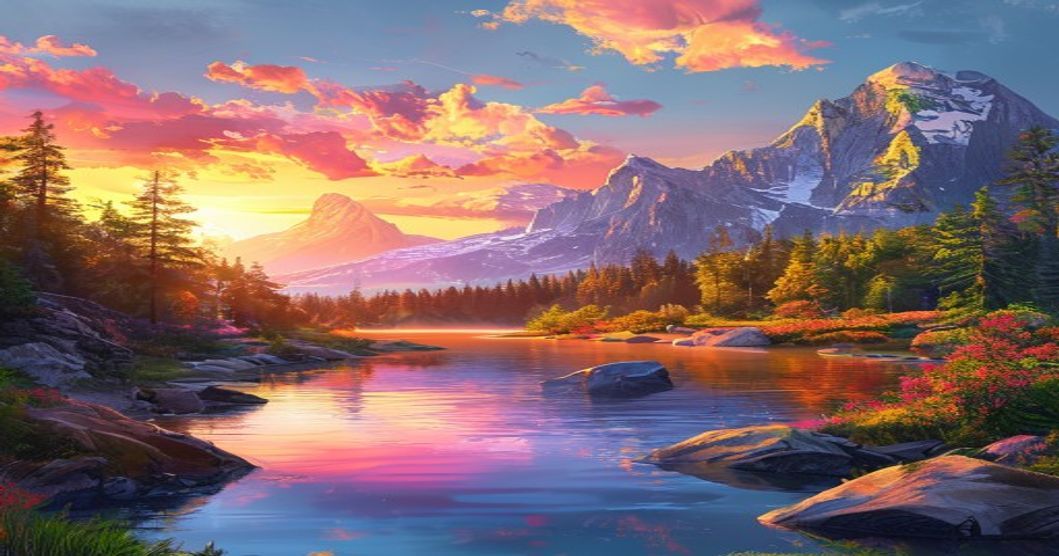
Most Beautiful National Parks in the World 2026
These four parks represent the absolute pinnacle — chosen for scenery, accessibility, wildlife, and cultural significance from a global field of thousands.
cultural significance from a global field of thousands.
chosen for scenery, accessibility, wildlife, and
cultural significance from a global field of thousands.
chosen for scenery, accessibility, wildlife, and
cultural significance from a global field of thousands.
chosen for scenery, accessibility, wildlife, and
cultural significance from a global field of thousands.
Over 8,000 national parks exist across the planet — yet fewer than 50 of them account for nearly 80% of global park tourism. That gap tells you everything about where the world’s most jaw-dropping natural wonders are hiding, and why 2026 is the perfect year to finally visit them. Whether you’re chasing glaciers in Patagonia, walking ancient lava fields in Iceland, or watching elephants cross the Serengeti at golden hour, the most beautiful national parks in the world 2026 offer experiences that no city, resort, or Instagram filter can replicate.
Why National Parks Are the Travel Story of 2026
Post-pandemic wanderlust never really faded — it evolved. According to the Adventure Travel Trade Association’s 2026 market report, nature-based tourism now accounts for $1.6 trillion of the global travel economy, with national park visits up 23% compared to 2022. Travelers are moving away from overcrowded beach resorts and toward raw, protected landscapes that offer both adventure and meaning.
Governments are responding. New park expansions in Brazil, Kenya, and New Zealand were announced in early 2026, while UNESCO added three new natural World Heritage Sites to its list. If you’ve been waiting for the right moment to explore the world’s greatest wild places, that moment is now. The parks covered in this guide represent the absolute pinnacle — ranked by scenery, accessibility, infrastructure, and cultural significance.
The Crown Jewels: Top National Parks to Visit in 2026
1. Torres del Paine — Patagonia, Chile
Few landscapes on Earth hit as hard as the granite towers of Torres del Paine rising above glacial turquoise lakes. Located in Chilean Patagonia, this park covers over 181,000 hectares and consistently ranks among the most beautiful national parks in the world 2026. Entry fees in 2026 are approximately $35 USD per adult for foreign visitors. The famous W Trek takes 4–5 days and passes hanging glaciers, condor viewpoints, and ancient lenga beech forests.
Getting there: Fly into Punta Arenas (PUQ) with connections via Santiago. Return flights from New York average $900–$1,400 USD. Budget hotels in Puerto Natales start at $60/night; eco-lodges inside the park can reach $400/night. Travel insurance is strongly recommended — Patagonian weather is famously unpredictable. The best time to visit is November through March, which is the Southern Hemisphere summer.
2. Fiordland National Park — New Zealand
Milford Sound, the Kepler Track, and mirror-still fjords that reflect snow-capped peaks — Fiordland is New Zealand’s crowning glory. At 1.2 million hectares, it’s one of the world’s largest national parks. Entry is free, though guided multi-day hikes like the Milford Track require booking through the Department of Conservation at around $160–$220 USD per person. Māori culture runs deep here — the region is known as Piopiotahi in Te Reo Māori, named after the now-extinct piopio bird.
Getting there: Fly into Queenstown (ZQN). EU and US citizens receive a 90-day visa waiver; others should check NZeTA requirements, which cost approximately $17 NZD online. Mid-range accommodation in Te Anau ranges from $80–$180 USD per night. Visit between December and February for the longest daylight hours.
3. Serengeti National Park — Tanzania
The Great Migration — nearly 2 million wildebeest moving across the Serengeti plains — is arguably the greatest wildlife spectacle on Earth. Tanzania’s flagship park covers 14,763 square kilometers and is a UNESCO World Heritage Site. Park entry fees in 2026 sit at $82 USD per person per day for non-residents. Safari lodges range from $150/night for budget tented camps to over $1,000/night for luxury options like those in the Ngorongoro corridor.
Getting there: Fly into Kilimanjaro International (JRO) or Julius Nyerere in Dar es Salaam. Most visitors from Europe and North America will need a Tanzania e-visa, currently priced at $50 USD. Travel insurance covering emergency medical evacuation is essential here — don’t skip it. The best time to witness the migration’s river crossings is July through October.
4. Jiuzhaigou Valley — China
Jiuzhaigou in Sichuan Province looks less like a real place and more like a CGI render from a fantasy film. Its multi-colored lakes — shimmering turquoise, emerald, and cobalt — sit against snow-dusted peaks and Tibetan cultural villages. After significant earthquake damage in 2017, the park completed a major restoration and fully reopened in 2023. Daily visitor caps of 5,000 people remain in place to protect the ecosystem. Entry costs approximately $30–$45 USD depending on season.
Getting there: Fly into Jiuzhai Huanglong Airport (JZH) from Chengdu in around 45 minutes. Most international visitors will need a Chinese tourist visa — fees vary by nationality but average $140–$160 USD. Hotels in Jiuzhaigou town range from $50 to $200/night. Visit in autumn (September–November) for the most spectacular foliage colors.
Who Should Visit — and How to Plan Smart
The most beautiful national parks in the world 2026 aren’t just for hardcore trekkers or wildlife biologists. Families, solo travelers, couples celebrating anniversaries, and even digital nomads are increasingly building itineraries around protected natural areas. The key is matching the park to your fitness level, budget, and travel style. If you’re still building your broader bucket list, explore our full guide to the most beautiful places in the world 2026 for even more inspiration across every travel personality.
Smart planning in 2026 means booking accommodation and guided experiences at least 3–4 months in advance — especially for high-demand parks like Milford Track or Serengeti during peak migration. Compare flight deals using tools like Google Flights and Skyscanner. Always purchase comprehensive travel insurance that covers trip cancellation, emergency evacuation, and gear loss — reputable providers like World Nomads or Allianz offer solid coverage from around $80–$200 USD per trip depending on duration.
Frequently Asked Questions
What is the most visited national park in the world in 2026?
According to 2025–2026 data compiled by the International Union for Conservation of Nature (IUCN), Great Smoky Mountains National Park in the United States remains the world’s most visited, drawing over 13 million visitors annually. It’s free to enter, which significantly boosts its numbers. However, in terms of scenic diversity and global recognition, parks like Torres del Paine and Fiordland consistently rank higher in “most beautiful” indexes.
How much should I budget for a national park trip in 2026?
Budget varies dramatically by destination. A 7-day Serengeti safari including flights, lodging, park fees, and a guide can cost $3,000–$8,000 USD per person. A self-guided Torres del Paine W Trek with camping can come in around $1,200–$1,800 USD all-in. Jiuzhaigou is one of the more affordable options for international travelers, with total trip costs from Southeast Asia or China’s major cities running $500–$900 USD for 5 days. Always factor in visa fees, travel insurance, and gear rentals.
Is it safe to travel to national parks solo in 2026?
For the vast majority of parks on this list, solo travel is perfectly safe provided you take standard precautions. New Zealand and Chile are particularly solo-traveler-friendly with well-marked trails and strong ranger infrastructure. Tanzania requires more planning — booking with a reputable licensed tour operator is strongly advised, especially for first-time visitors. In all cases, register your itinerary with park authorities, carry a personal locator beacon on remote treks, and ensure your travel insurance includes emergency evacuation coverage.
Final Word: The World Is Waiting
From the thundering waterfalls of Fiordland to the jewel-toned lakes of Jiuzhaigou, the most beautiful national parks in the world 2026 represent humanity’s most important treasures — places where nature still writes the rules. These destinations reward the curious, the patient, and the prepared. Start building your itinerary today, secure your travel insurance early, and book accommodations before the crowds do. The wild world doesn’t wait — and in 2026, neither should you.
Explore more extraordinary destinations, celebrity travel trends, and global guides at GmoArena.com — your world, covered.
Sources and Further Reading