
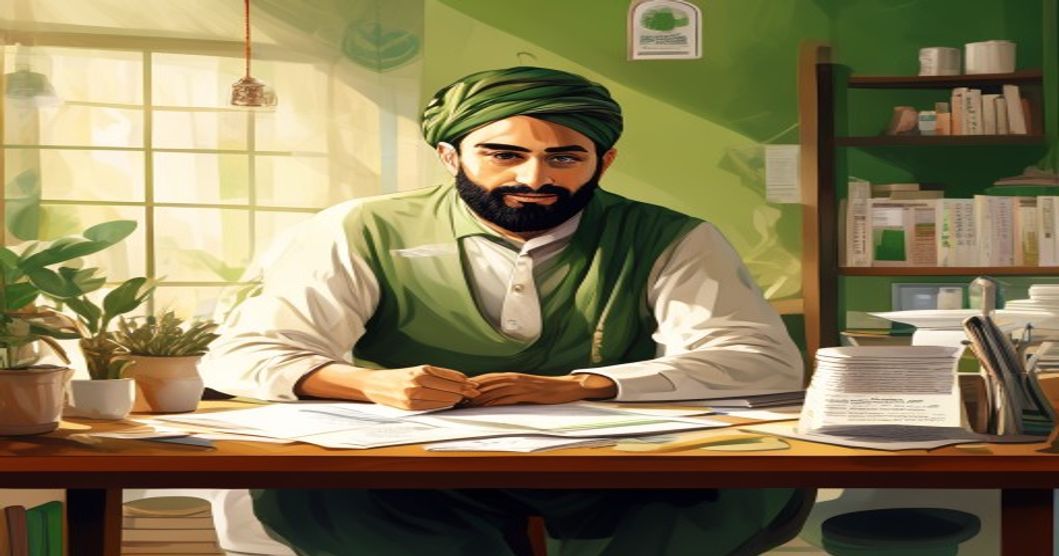
How to Start a Business in Pakistan — Complete Guide 2026
How to Start a Business in Pakistan — Complete Guide 2026
Pakistan is home to over 230 million people, a median age of just 22 years, and a startup ecosystem that raised more than $340 million USD in venture funding between 2021 and 2025. Yet most global entrepreneurs overlook it entirely. That is a mistake — and an opportunity. If you have ever wondered about the how to start a business in Pakistan complete guide process, the timing has never been better. Regulatory reforms, digital banking expansion, and a young, mobile-first consumer base are reshaping the country’s economic landscape in real time.
Why Pakistan Is Worth Your Attention in 2026
Pakistan’s GDP reached approximately $376 billion USD in 2025, ranking it among the top 45 economies globally. The government’s Special Investment Facilitation Council (SIFC), launched in 2023, has dramatically streamlined foreign investment pathways — reducing average business registration timelines from several months to as few as 15 working days in priority sectors.
The country’s e-commerce market alone is projected to cross $7 billion USD by 2027, powered by rising smartphone penetration and platforms like Daraz, Foodpanda, and homegrown fintech players such as JazzCash and EasyPaisa. Cities like Karachi, Lahore, and Islamabad are buzzing with co-working spaces, incubators, and accelerators — a cultural shift driven partly by the post-pandemic generation choosing entrepreneurship over traditional employment.
For a deeper look at Pakistani cultural and economic life, explore the full Pakistan Guide 2026 on GmoArena.com — it covers everything from business regions to lifestyle trends shaping the modern Pakistani consumer.
Step-by-Step: Registering Your Business in Pakistan
Choose Your Business Structure
Before anything else, you need to decide on a legal structure. Pakistan offers several options:
- Sole Proprietorship — the simplest form, ideal for freelancers and small traders
- Partnership Firm — suited for two or more individuals with shared capital
- Private Limited Company (Pvt. Ltd.) — the most popular choice for serious ventures seeking investors
- Single Member Company (SMC) — a limited company with one director, popular with solo founders
For most entrepreneurs serious about scaling, the Private Limited Company structure is recommended. It limits personal liability, builds investor confidence, and opens doors to banking credit lines more easily.
Register with SECP
All companies in Pakistan are registered through the Securities and Exchange Commission of Pakistan (SECP) via its online portal at eservices.secp.gov.pk. The registration fee for a private limited company starts at approximately $18–$35 USD depending on authorized capital. You will need a valid CNIC (national identity card) for Pakistani nationals, or a passport for foreign investors. The process is largely digital as of 2026, though a physical visit may still be required in select cases.
Taxes, Banking, and Legal Essentials
National Tax Number (NTN) and FBR Registration
Once registered with SECP, your next step is obtaining a National Tax Number (NTN) through the Federal Board of Revenue (FBR). This is mandatory for operating a legitimate business, filing annual returns, and opening a corporate bank account. Registration through the FBR’s IRIS portal is free and can be completed online within a few days.
Pakistan’s corporate tax rate currently sits at 29% for non-banking companies in 2026, with reduced rates available for startups registered under the SIFC framework or operating in Special Economic Zones (SEZs). Sales tax is generally charged at 17% on most goods and services, though exemptions exist for certain agricultural and IT-related exports.
Opening a Business Bank Account
Major banks including HBL, UBL, Meezan Bank, and Standard Chartered Pakistan offer dedicated SME and corporate banking packages. Minimum deposit requirements for a business account range from PKR 10,000 to PKR 100,000 — roughly $36 to $360 USD at current exchange rates. Digital banking through platforms like HBL Konnect and Meezan’s Roshan Digital Account has made financial management significantly more accessible, even for overseas Pakistani investors.
Sectors With the Highest Growth Potential in 2026
If you are looking at the how to start a business in Pakistan complete guide from an investment angle, sector selection matters enormously. The following industries are outperforming in 2026:
- IT and Software Exports — Pakistan exported over $2.6 billion USD in IT services in FY2024–25
- Agritech and Food Processing — Pakistan is among the top 10 global producers of wheat, cotton, and sugarcane
- E-commerce and Logistics — last-mile delivery infrastructure is expanding rapidly across tier-2 cities
- Renewable Energy — solar energy imports and installations surged 60% in 2024 alone
- EdTech — with one of the world’s largest youth populations, digital education platforms are experiencing explosive demand
Pakistan’s IT ministry has also introduced a zero-tax policy on IT exports until 2026, making software and freelance businesses particularly attractive for both local and diaspora entrepreneurs.
Cultural Intelligence — The Business Etiquette Factor
Running a business in Pakistan is not purely transactional — relationships drive commerce here. The concept of rishta (connection or bond) is deeply embedded in how deals are made. Whether you are negotiating with a supplier in Faisalabad’s textile market or pitching to a Lahori investor over chai, trust is built before contracts are signed. Business meetings often start with personal conversation, and patience is considered a professional virtue rather than a weakness.
Ramadan also shapes business cycles — during the holy month, working hours shift, consumer spending on food and clothing spikes dramatically, and decision-making timelines may slow. Smart entrepreneurs plan their launch calendars and marketing budgets around this cultural rhythm rather than against it.
Frequently Asked Questions
Can a foreigner start a business in Pakistan?
Yes — Pakistan allows 100% foreign ownership in most sectors under its Investment Policy. Foreign nationals can register a company through the SECP and are entitled to repatriate profits freely in foreign currency. The Board of Investment (BOI) Pakistan provides a dedicated helpdesk for international investors. Certain sectors such as media broadcasting and real estate have specific restrictions, so consulting a local legal advisor is recommended before proceeding.
How much does it cost to start a business in Pakistan?
Costs vary by structure and sector, but a realistic baseline for registering a private limited company — including SECP fees, NTN registration, and basic legal documentation — runs between $100 and $300 USD. Adding office space, hiring, and initial inventory will depend entirely on your business model. Tech startups operating remotely or from co-working spaces in cities like Lahore’s Arfa Software Technology Park can launch with as little as $500–$1,000 USD in initial capital.
What are the biggest challenges of doing business in Pakistan in 2026?
Currency volatility remains a real concern — the Pakistani Rupee has experienced significant fluctuation over recent years, affecting import costs and profit margins for businesses dealing in USD. Energy costs, though improving with solar adoption, can still pressure manufacturing operations. Bureaucratic delays, while reduced under SIFC reforms, are not entirely eliminated. That said, entrepreneurs who build strong local networks, maintain flexible cost structures, and focus on export-oriented models have consistently found Pakistan to be a high-reward environment despite these challenges.
Your Next Step Starts Here
This how to start a business in Pakistan complete guide gives you a solid foundation — but knowledge without action is just reading. Pakistan’s window of opportunity is real, it is growing, and it is global. Whether you are a diaspora entrepreneur looking to invest back home, a foreign investor eyeing South Asia’s next growth corridor, or a young Pakistani founder ready to build, the framework is in place. The culture is hungry for it. The market is ready.
Explore more in-depth guides, regional business profiles, and the latest Pakistan economic updates right here on GmoArena.com — your global source for stories that matter.